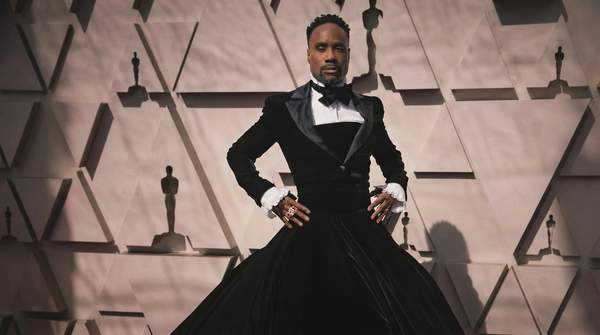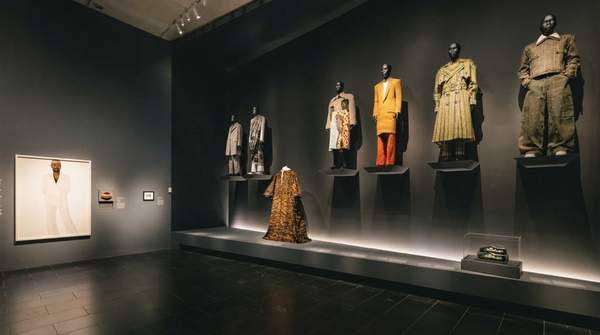
When a celebrity arrives at a major event, the question is no longer just "Who are you wearing?" but often "When are you wearing?" The rise of archival fashion has transformed the red carpet into a museum in motion, where historically significant garments are given a second life. Unlike general vintage clothing, an archival piece is defined by its rarity and its importance to fashion history. According to guidance from the auction house Sotheby's, for a garment to be considered archival, it must be a significant item from a specific designer collection, not a piece that was produced seasonally. These are items with an associated mythology, ones that may have defined a style for a generation or marked a pivotal moment in a designer's career.
What Makes a Garment 'Archival'?
The distinction between "vintage" and "archival" lies in historical weight and rarity. While any older garment can be vintage, an archival piece is a specific, often rare, artifact from fashion history. Sotheby's notes that these items are almost always incredibly difficult to find and represent a key moment for a brand or the industry. They are not merely old clothes but relics of a particular creative vision, such as a look from a groundbreaking runway show. For example, pieces from Marc Jacobs's infamous 1993 "Grunge" collection for Perry Ellis, which was a commercial failure at the time but later became a cultural touchstone, are now considered grail items for collectors. The value of such pieces comes from their historical context and the story they tell about a designer's trajectory and the evolution of fashion itself.
The Allure of a Unique Look
In a world of fast fashion and global accessibility, one of the primary drivers for choosing archival pieces is the guarantee of uniqueness. For a celebrity, arriving at an event in a one-of-a-kind garment eliminates the risk of another attendee wearing the same outfit. Alexis Novak, founder of the vintage source Tab Vintage, explained this motivation, stating, “I think we’re at the peak of accessibility when it comes to fashion and consumerism in general. We can get anything we want with the click of a button. When you’re trying to find a super-unique look that nobody else will have, vintage is the only way to ensure someone else won’t have what you’re wearing.” This desire to stand out is a long-standing celebrity impulse that archival fashion fulfills perfectly, offering looks that are not just different but also irreplaceable.
Sustainability as a Statement
Beyond exclusivity, choosing to re-wear a garment on the red carpet has become a powerful statement about sustainability. By opting for a pre-existing piece, celebrities and their stylists can sidestep the environmental impact associated with producing and shipping a new custom gown. Stylist Kat Typaldos, who has dressed clients in archival Jean Paul Gaultier, emphasizes the intention behind this choice. “There's thoughtfulness and intention behind it because there's so much physical stuff in the world," Typaldos noted. "Being able to repurpose something, especially on the red carpet, holds a lot of power.” Stylist Elizabeth Stewart echoed this sentiment to Vogue, explaining that if her team can avoid the international shipping footprint of a new look "by simply rewearing an incredibly great look … we are going to do it!”