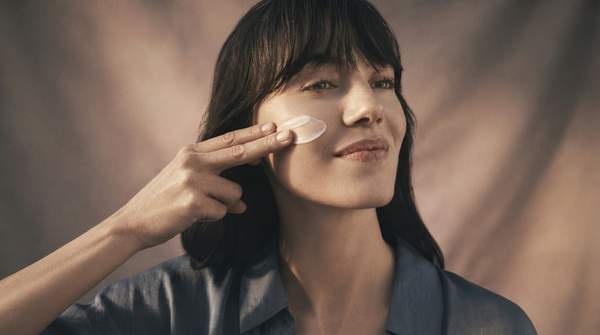
Bakuchiol, a plant-derived compound, has emerged as a credible alternative to retinol for people whose skin cannot tolerate traditional retinoids. Comparative studies suggest it can reduce wrinkles and hyperpigmentation at broadly similar rates to retinol while producing less scaling and stinging. But the evidence base is far thinner: retinoids have been studied in human trials since the 1980s, while bakuchiol's research is recent and limited. The right choice depends on your skin's sensitivity, your tolerance for irritation, and how much weight you place on decades of proven results.
Bakuchiol vs. Retinol: Understanding the Science
Retinol is a vitamin A derivative and one of the most extensively researched anti-aging ingredients in skincare, with a clinical record stretching back to the 1980s across trials involving hundreds of human participants. Bakuchiol, by contrast, is extracted from the seeds and leaves of the Psoralea corylifolia plant and has drawn scientific attention only over roughly the past decade. Writing for Harvard Health, Stephanie Watson placed bakuchiol firmly in the "promising, but unproven" category, noting that many bakuchiol studies were conducted on skin cells or skin substitutes rather than living human skin, which limits what can be concluded. That gap in research volume—not a gap in demonstrated effect—is the central scientific distinction between the two ingredients.