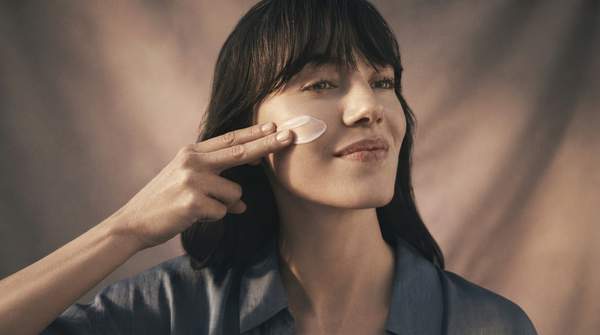
That banana peel you just tossed contains more potent antioxidants and antimicrobials than many expensive serums, a fact now attracting serious attention from cosmetic scientists. Banana peels are rich in phenolic compounds, flavonoids, and tannins, powerful antioxidants, according to the Journal of Cosmetic Science. Studies also show banana peel extracts exhibit significant antimicrobial activity against common skin pathogens like S. aureus, a finding reported in Phytotherapy Research. These findings reveal that a commonly discarded 'waste product' harbors a potent cocktail of compounds, signaling a shift towards more effective and sustainable skincare solutions.
Many natural ingredients, however, offer significant skincare benefits but are often discarded as waste or overlooked by consumers and the mainstream beauty industry. Despite strong consumer interest, consumers often associate 'natural' with 'gentle' rather than 'powerful' or 'scientifically proven,' especially when derived from 'waste' materials.
As scientific research increasingly validates the efficacy of these natural compounds, the beauty industry is likely to shift towards more sustainable, bio-waste-derived ingredients, making effective skincare more accessible and environmentally friendly.
Beyond the Fruit: The Skincare Power of Banana Peels
While the peel offers potent antioxidants, banana pulp contains vitamins A, B, and E, along with potassium, which hydrate and nourish the skin, as noted by Dermatology Times. Tryptophan in banana peels converts to serotonin, providing anti-inflammatory benefits for skin health, according to the International Journal of Dermatology. This comprehensive profile means the entire banana offers multi-faceted skin support, challenging its classification as mere food waste.
Further validating its efficacy, a 2022 study in Clinical, Cosmetic and Investigational Dermatology found that a cream with banana peel extract significantly improved skin elasticity and reduced hyperpigmentation over eight weeks. This demonstrates banana's potential to address issues from inflammation to aging, offering a complete skincare solution.

Red Clay: Nature's Detoxifier and Mineral Booster
Red clay, specifically illite, derives its characteristic color and detoxifying properties from iron oxides, states the Clays and Clay Minerals Journal. Its high mineral content, including magnesium and calcium, absorbs excess oil and impurities, a benefit highlighted in the Journal of Applied Clay Science. This composition allows red clay to purify skin without harsh stripping.
The clay's strong negative charge draws out positively charged toxins and heavy metals from pores, as explained by Environmental Science & Technology. Applied as a mask, red clay also improves blood circulation, promoting a healthy glow, according to the International Journal of Cosmetic Science. These properties position red clay as a potent, natural alternative for deep cleansing and enhancing skin vitality, a mechanism rooted in its unique ionic structure.
The Case for Natural: Efficacy, Accessibility, and Sustainability
The global natural and organic cosmetics market is projected to reach $54.5 billion by 2027, driven by consumer demand for clean beauty, according to Grand View Research. This growth confirms a consumer preference for safer, environmentally friendly ingredients. Companies relying solely on high-cost synthetic ingredients not only miss the superior efficacy validated by studies like the Journal of Cosmetic Science on banana peels, but also contribute to agricultural waste, squandering sustainable resources.
Many synthetic antioxidants can cause skin irritation, a concern noted in the Journal of Allergy and Clinical Immunology. In contrast, bioactive compounds in natural ingredients are often more bioavailable and less prone to adverse reactions, as reported by the Journal of Ethnopharmacology. This suggests natural alternatives offer both potency and gentleness, a critical advantage for sensitive skin.
Despite strong consumer interest in natural products, the industry often fails to market the scientific potency of 'waste-derived' ingredients like red clay and banana peels. This oversight means missing significant market share and innovation. Furthermore, raw, unrefined natural ingredients are often more cost-effective than many premium synthetic actives. Consumers may pay a premium for perceived efficacy when equally or more potent, cheaper, and sustainable alternatives are readily available, provided the industry invests in overcoming formulation challenges.
Common Questions About Natural Skincare
Can red clay and banana be mixed for skin?
Yes, red clay and banana can be combined for a synergistic face mask. Red clay's minerals complement banana's vitamins and antioxidants, offering comprehensive detoxification, nourishment, and anti-aging benefits.
Are there side effects of using red clay on skin?
While generally safe, some individuals, especially those with sensitive skin, may experience mild dryness or redness. Always perform a patch test before widespread application, as recommended by the American Academy of Dermatology. Discontinue use if irritation occurs, according to the Mayo Clinic.
How to safely prepare banana peels for skincare?
Thoroughly wash banana peels to remove potential pesticide residues. The Environmental Working Group advises careful produce washing to minimize chemical exposure.
Embracing Nature's Skincare Revolution
The cosmetics industry is shifting towards upcycling agricultural byproducts like banana peels, aligning with circular economy principles, according to Sustainable Materials and Technologies. Increased scientific validation of traditional natural remedies, bridging folk wisdom and modern dermatology (Journal of Traditional and Complementary Medicine), and growing consumer demand for transparent, ethically sourced ingredients (Nielsen Consumer Report) reflect this trend.
This convergence of scientific discovery, consumer demand, and proven efficacy for overlooked natural resources like banana peels and red clay appears likely to usher in accessible, environmentally conscious skincare. By Q4 2028, many independent beauty brands are expected to launch at least two new product lines featuring upcycled agricultural ingredients, targeting this conscious consumer market.