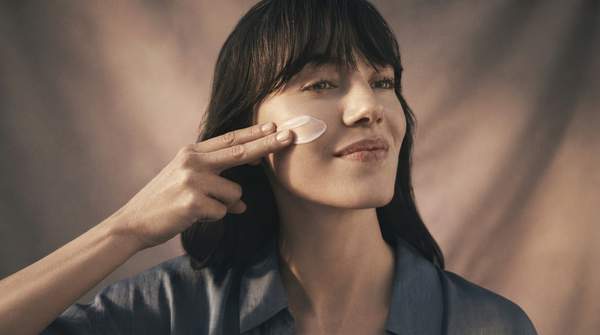
Relying on makeup with an SPF rating for daily sun protection is insufficient, according to dermatological experts and cancer prevention organizations. While cosmetics with sun protection factor (SPF) can offer an additional layer of defense, they fail to provide the necessary coverage on their own. The primary reasons are that people apply far less makeup than the amount required to achieve the labeled SPF, and many cosmetic products lack adequate protection against the full spectrum of the sun's harmful rays.
The Illusion of SPF Makeup: Why It Falls Short
The promise of a foundation or powder that also protects from the sun is appealing, but it can create a false sense of security. The short answer to whether SPF in makeup is enough is "no," according to the Prevent Cancer Foundation. The issue lies in the quantity of product used. While makeup can provide an extra layer of protection against UV rays and improve overall skin coverage, it generally does not contain high levels of sun protection. Some foundations, for instance, may only have an SPF of 2 to 5. For effective daily protection, experts recommend using a dedicated sunscreen with an SPF of at least 30 before applying any makeup.
The 'Application Gap': Lab vs. Real-World Protection
The SPF value printed on a product is determined through laboratory tests that require a very specific application thickness. According to standards like AS/NZS 2604:1998, sunscreen is applied at a rate of 2 milligrams per square centimeter (mg/cm²) to measure its effectiveness. Achieving this density in the real world requires a substantial amount of product. The Australian Cancer Council, for example, recommends adults apply about half a teaspoon of sunscreen to the face, neck, and ears. In contrast, most people apply a much thinner layer of foundation or powder, often only one-quarter to one-half of the amount used in testing. This significant difference between lab testing and typical makeup use means the actual protection you receive is far lower than the number on the label.
Beyond SPF: The Importance of Broad-Spectrum Coverage
Effective sun protection involves shielding skin from two types of harmful ultraviolet rays: UVA and UVB. SPF primarily measures a product's ability to block UVB rays, which are the main cause of sunburn and contribute to skin cancer. However, UVA rays are also damaging. They are present year-round, can penetrate window glass, and are a major contributor to skin aging. The Skin Cancer Foundation cautions that most cosmetic formulations often lack sufficient protection against these UVA rays. To be truly protected, you need a "broad-spectrum" product that defends against both. Relying on makeup that isn't explicitly broad-spectrum can leave your skin vulnerable to UVA damage even if you are preventing a sunburn.