The relationship between fashion and art has long been a fluid, dynamic exchange, but in recent years, this connection has been formalized through a growing number of foundations established by the industry's leading figures. The 2026 opening of the Fondazione Dries Van Noten in Venice, a non-profit dedicated to human craftsmanship, signaled a significant moment in this trend, where fashion’s influence extends beyond seasonal collections into the realm of cultural patronage. Yet, these organizations are not a monolith. They represent a diverse ecosystem of support, operating under distinct models with vastly different goals—from incubating the next generation of avant-garde artists to recycling excess merchandise for direct community aid. Understanding these varied approaches reveals a multifaceted strategy to address critical needs within both the creative sector and society at large.
Addressing Industry Needs: Craftsmanship, Talent, and Support
The rise of fashion foundations is a direct response to a widening gap in the creative economy. With governmental support for the arts often dwindling and the cost of studio space in creative capitals skyrocketing, emerging artists and designers face formidable barriers to entry and survival. Organizations like the Sarabande Foundation, established by Alexander McQueen, were conceived to counteract these pressures, building what they call an "ecosystem" of scholarships, mentorships, and subsidized studios. This model provides a crucial lifeline, allowing talent to develop outside the immediate demands of the commercial market.
This movement is also driven by a desire to preserve the very skills that underpin the industry. As designer Dries Van Noten stated, fashion is built on a "vast network of knowledge and skill that exists largely in the shadows of its own spectacle." He argues that creating conditions to support and transmit these practices is not a choice but a "responsibility." These foundations, therefore, serve a dual purpose: they are both incubators for future innovation and archives for at-risk artisanal traditions, ensuring that the human element of creation is not lost in an increasingly fast-paced industry.
Comparing Fashion Foundation Models
While united by a general aim to give back, fashion foundations pursue a range of missions that can be categorized into distinct operational models. Some are dedicated to high-concept artistic development and the preservation of craft, while others focus on environmental sustainability, tangible community aid, or structured workforce training. Each model employs different activities to serve a specific group of beneficiaries, highlighting the diverse ways the fashion industry is channeling its resources for social and cultural impact.
| Model | Primary Mission | Key Activities | Beneficiaries | Example Foundation |
|---|---|---|---|---|
| Artist Incubator & Craft Preservation | To celebrate craftsmanship, foster dialogue across disciplines, and support creators. | Providing scholarships, mentorships, and subsidized studios for artists and designers. | Established and emerging creators across art, design, fashion, architecture, and food. | Fondazione Dries Van Noten, Sarabande Foundation |
| Charitable Recycling & Community Aid | To reduce fashion waste and provide essential supplies to local children in need. | Partnering with brands to recycle excess merchandise and using proceeds to donate school supplies. | Local children in need and the environment. | The Fashion Foundation |
| Skills Training & Workforce Education | To advance arts and culture, develop skills, and support young people and families through fashion and creativity. | Grant-making for workforce education programs, creative productions, and volunteering opportunities. | Children, young people, families, and participants in workforce training programs. | Fashion Impact Foundation, Fashion Impact Fund |
Direct Benefits for Artists and Creators
For the artists and designers who participate in incubator-style foundations, the advantages extend far beyond financial assistance or affordable rent. These programs are designed to provide a protected environment for experimentation and creative growth, free from the relentless pressure to produce commercially viable work. Amelia Cross, an artist and current resident at the Sarabande Foundation, described her residency as a "safe space to push my practice." Crucially, she also highlighted the value of gaining "direct connections to key figures in the art world," an invaluable asset for any emerging creator.
This emphasis on community and connection is a recurring theme. Daisy May Collingridge, a former Sarabande resident known for her body-like fabric sculptures, affirmed that while an affordable studio was essential for developing her practice, the "most valuable asset is the culture fostered among artists, makers and designers." Her experience underscores a fundamental truth about creative work: it thrives on collaboration and shared experience. As Collingridge noted, "At its core, the art world relies on human connection. That’s what sustains us as creators long-term." These foundations actively cultivate that connection, building supportive networks that last well beyond the residency period.
Beyond the Runway: Broader Influence and Community Impact
The impact of fashion foundations radiates outward, influencing the broader cultural landscape and delivering tangible benefits to communities. The artist-centric models, like Fondazione Dries Van Noten, aim to spark a wide-ranging cultural dialogue by bringing "established voices and emerging creators into dialogue across art, design, fashion, architecture, food and beyond." This cross-pollination of ideas enriches the creative world as a whole, challenging disciplinary boundaries and fostering new forms of expression.
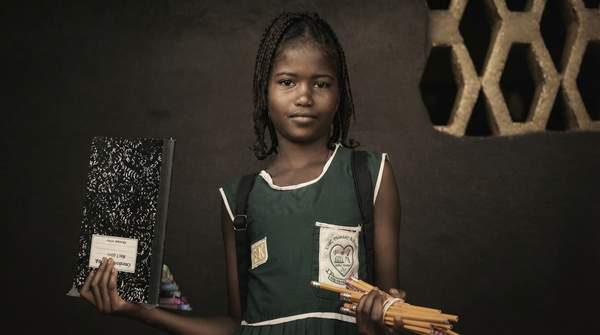
In contrast, other models focus on direct, measurable social and environmental outcomes. The Fashion Foundation, a 501c3 nonprofit, exemplifies the charitable recycling approach. By partnering with brands to collect and sell samples and overstock, it has recycled 225,000 pounds of merchandise that might have otherwise ended up in landfills. The proceeds are used to purchase school supplies for children, with the organization reporting it has donated $400,000 in supplies and made a difference for over 65,000 local kids. A third model, focused on workforce education, is represented by the Fashion Impact Fund, which from 2022 to 2026 provided grants to organizations delivering training in the fashion production sector across Africa, South Asia, the Caribbean, the UK, and the US, equipping 124 participants with technical skills.
Navigating the Impact of Fashion Foundations
Readers seeking to engage with or support fashion foundations should first identify the specific model (e.g., artist incubator, charitable recycler, workforce educator) that aligns with their goals, as each type addresses distinct industry needs and offers different forms of impact. The purpose of these organizations is not always obvious from their name alone, but their operational focus is typically clear. The reader can observe the foundation's stated mission and primary activities on its official website to determine its operational model and intended beneficiaries.
Sources
- Fondazione Dries Van Noten — Fondazionedriesvannoten
- Fashion Foundations Are Quietly Reshaping The Art World — ELLE UK
- The Fashion Foundation
- About – Fashion Impact Foundation
- Fashion Impact Fund
- About Us — The Fashion Foundation
- Kerry Bannigan on The Fashion Impact Fund & A Better Future for People, Planet — CFDA