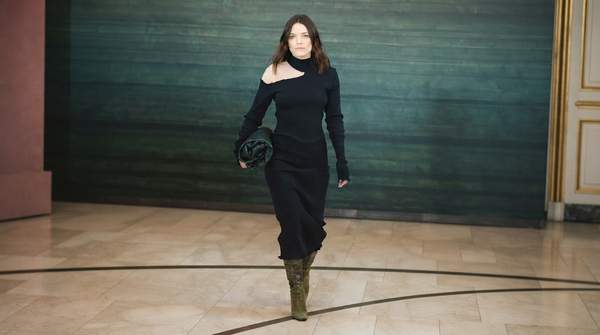
At a recent Manchester fashion show, models with disabilities confidently walked the catwalk, challenging decades of industry exclusion. The accessible fashion brand Re:Condition brought diverse individuals to the runway, creating a powerful visual statement. This groundbreaking event, highlighted by the BBC, marks a significant shift in who defines beauty and style on the global stage.
The fashion industry has long adhered to narrow beauty standards, excluding vast segments of the population. This exclusivity fostered an often unattainable ideal. Yet, a growing movement proves diverse representation is both aspirational and commercially viable, attracting a wider consumer base. This tension between tradition and evolution now shapes fashion's future.
The future of fashion demands authentic inclusivity, moving beyond tokenism to embrace systemic changes in talent development and industry access. This shift professionalizes inclusive initiatives, transforming them from isolated events into structured programs. Such programs equip individuals with disabilities for sustained careers, fundamentally altering traditional talent pipelines.
Beyond the Runway: A New Standard of Inclusivity
Contemporary fashion showcases now prioritize broader representation, moving beyond mere aesthetic trends. Models with disabilities frequently appear on catwalks, expanding traditional beauty definitions. The Manchester event, highlighted by the BBC, proved fashion can platform diverse identities. Historically, shows favored a singular aesthetic, overlooking vast demographics. Today's inclusive events challenge this, inviting a wider array of body types, ages, and abilities. This creates a more relatable vision of style for consumers, fostering deeper brand connections and reflecting a deeper cultural dialogue about societal value.
The Purpose Behind the Catwalk: Building Confidence and Representation
This growing movement towards inclusivity empowers participants and fosters greater societal acceptance. Events like the Think Out, Be Light fashion show expand representation for people with disabilities, building their confidence, according to KERA News. This intentional focus on empowerment and visibility demands fashion serve a broader social purpose beyond aesthetics. By celebrating unique identities on a prominent stage, these initiatives foster self-esteem and promote greater societal acceptance, influencing everyday perceptions of beauty and capability.