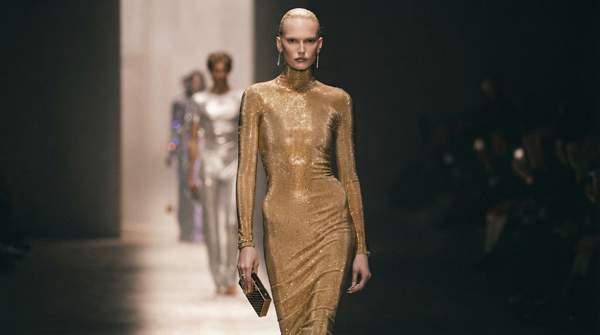
At Schiaparelli's AW26 show, a single gown incorporated over 5,000 hand-embroidered beetle wings, according to Vogue Runway. This wasn't just craftsmanship; it was an obsession, a stark symbol of couture's renewed focus on intricate detail amidst a broader shift towards understated elegance. Couture traditionally thrives on extravagant displays and overt branding. Yet, AW26 collections and street style are signaling a strong pivot towards quiet luxury and sustainable, artisanal craft. This creates a fascinating tension for designers. Based on this emphasis on craft, sustainability, and digital engagement, couture appears likely to evolve into a more nuanced, values-driven industry, potentially broadening its influence beyond the elite through digital platforms. Dior's collection, for instance, showcased architectural silhouettes and muted earth tones, a stark contrast to recent vibrant trends, according to WWD. Meanwhile, street style ditched overt logomania for 'quiet luxury' aesthetics and vintage accessories, as Harper's Bazaar reported. This season clearly marks a departure from flashy opulence, favoring subtle artistry and timeless design.
The Quiet Revolution on the Runway
Major houses are reinterpreting historical elegance. Chanel, for example, presented a collection inspired by 1920s flapper elegance, featuring intricate beadwork and dropped waists, according to Fashionista. At Balenciaga and Givenchy, 'deconstructed elegance' challenged traditional notions of perfection in couture, according to Style.com. Even street style saw a resurgence of bespoke tailoring for women, moving beyond menswear influences, according to GQ France. This collective movement away from predictable glamour towards unique, thoughtful design suggests couture is redefining what 'perfection' means, embracing a more nuanced and personal aesthetic.
Sustainability and the Rise of the Artisan
Sustainability is no longer a niche. Emerging designer 'Atelier Lumière' debuted with a critically acclaimed collection entirely crafted from upcycled materials, according to BoF. A growing demand for conscious design is evident. Sustainability pledges were a recurring theme, with 70% of houses mentioning ethical sourcing or circular design in their show notes, according to Couture Council. A widespread commitment marks a clear 'return to craft,' seen by critics as a backlash against fast fashion, according to The Fashion Times. Luxury groups are also increasing investment in artisanal skills training programs, according to Industry Skills Report. The industry now values ethical production and unique, handcrafted pieces over mass-produced luxury, responding to a broader consumer demand for authenticity. The implication? Couture is becoming a leader in ethical fashion, pushing boundaries beyond mere aesthetics.