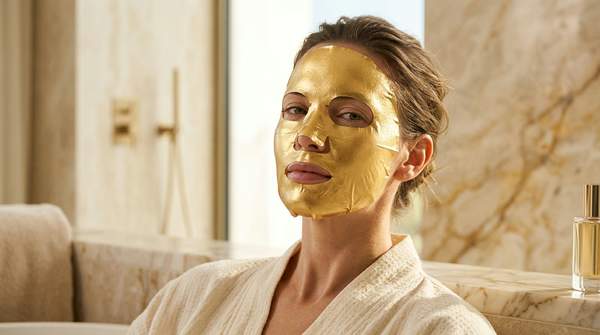
"Beauty electrolytes" are minerals — chiefly sodium, potassium, magnesium, and calcium — marketed for skin hydration in two very different forms: ingestible powders and drinks pitched as "beauty from within" products, and topical skincare formulations that list mineral salts among their ingredients. The concept rests on a distinct claim: rather than pulling water toward the skin or sealing it in, electrolytes are said to help regulate where water goes at the cellular level. Understanding that distinction is the key to decoding the labels.
What Are Beauty Electrolytes?
At the most basic level, electrolytes are minerals that carry an electric charge when dissolved in water. Healthline, in an article by Colleen de Bellefonds, lists potassium, sodium, calcium, chloride, phosphate, and magnesium as the body's electrolytes and notes that these minerals attract water. In the skin specifically, the article quotes a source identified only as Robinson explaining that electrolytes help conduct electricity when mixed with water, enabling cells to regulate pH levels and keep the body's hydration system in check.
The "beauty" version of this concept splits into two product categories. On the ingestible side, brands like H2Glow sell electrolyte powders built around the idea that you can drink steadily and still show dehydrated skin if the minerals governing cellular water balance are absent. On the topical side, mineral salt suppliers such as Lohmann Minerals describe "electrolyte skin care" as a formulation trend, with mineral compounds incorporated into facial care, body care, hydrating formulations, and sensitive-skin concepts.
These are not interchangeable claims. An ingestible product works through the body's fluid systems; a topical product depends on whether minerals applied to the skin's surface can penetrate meaningfully — a point Healthline raises directly as an open question. The minerals named across both categories overlap: sodium, potassium, magnesium, and calcium appear repeatedly in both marketing tracks.
The Purported Mechanism of Electrolytes in Skin Hydration
The central claim made for beauty electrolytes is one of direction and balance rather than attraction or sealing. H2Glow's guide describes a beauty electrolyte as doing "two jobs at once": the electrolyte base supports fluid balance, with sodium helping the body retain and direct water rather than lose it, potassium working with sodium to regulate fluid balance inside and outside the cell, magnesium supporting cellular processes tied to hydration and skin function, and chloride maintaining fluid and pH balance alongside sodium and potassium.
Topical proponents extend the same logic to the skin's surface. Vinmec International Hospital's article states that electrolytes, whether in skincare products or through daily dietary intake, improve the skin's water content when absorbed, and that when skin loses electrolytes it can appear dull and lifeless. The same article also claims electrolytes help strengthen the skin's protective barrier, framing them as a component of comprehensive skincare.
It is worth being precise about the status of these claims. The mechanism described — minerals directing water distribution and supporting barrier function — comes from product marketers, ingredient suppliers, and general health explainers, not from peer-reviewed dermatological studies of topical mineral application cited in these sources. Healthline's framing captures the open question well: electrolytes may help skin retain water, but whether electrolytes applied topically "actually sink in well enough to boost hydration" remains unestablished in the material reviewed here.
How Electrolytes Compare to Traditional Hydrators
Traditional hydrating ingredients fall into two well-characterized camps. Humectants, as defined in a Medical News Today article written by Mary West and medically reviewed by Bukky Aremu, are ingredients that attract and bind water — drawing it from the deeper layers of the skin to the outermost layer, and from the surrounding environment when air humidity exceeds 70%. Hyaluronic acid and glycerin are the standard examples.
Occlusives work differently: they form a barrier over the skin, trapping moisture inside rather than attracting it. Oils, butters, waxes, and lanolin are the cited examples. Healthline adds a practical nuance — glycerin can actually dry skin when used alone, so it is typically combined with another hydrating ingredient. Ceramides, which make up about half of the skin's outer layer, are recommended by experts for forming a barrier that locks in moisture.
The electrolyte claim sits outside both categories. Where a humectant binds water and an occlusive blocks its escape, an electrolyte product claims to balance and direct water at the cellular level. That is a third strategy, and it is the one with the thinnest independent evidence base in the sources here.
Comparing Skin Hydration Strategies
The table below classifies the three hydrating strategies by their primary mechanism, using the definitions gathered above. Use it to interpret ingredient lists: a product built on mineral salts is making a different claim than one built on hyaluronic acid or shea butter, and the evidence supporting each claim differs too.
| Ingredient Category | Primary Mechanism | Example Ingredients |
|---|---|---|
| Electrolytes | Purportedly help regulate water balance and direct water distribution at the cellular level (based on product claims and general explanations of electrolyte function, not peer-reviewed topical studies) | Sodium, potassium, magnesium, calcium |
| Humectants | Attract and bind water, drawing it from deeper skin layers to the surface, and from the environment in high humidity | Hyaluronic acid, glycerin |
| Occlusives | Form a protective barrier on the skin's surface to prevent transepidermal water loss by trapping moisture | Oils, butters, waxes, lanolin |
Read this way, the categories answer different questions. Humectants answer "how does water get to the surface?" Occlusives answer "how does it stay there?" Electrolytes, as marketed, answer "who decides where it goes?" — a cellular-management claim rather than a surface-chemistry one.
Making Informed Choices About Beauty Electrolytes
Readers should consider the distinct purported mechanisms of beauty electrolytes (balancing water) versus traditional hydrators (binding or blocking water) when evaluating skincare products. The practical test is interpretive, not clinical: the reader can observe whether product descriptions clearly articulate the specific hydrating mechanism of their electrolyte ingredients, rather than making general hydration claims, and distinguish between ingestible and topical applications.
Two boundaries matter when applying that test. First, the topical mechanism remains a marketing-level claim; whether surface-applied minerals penetrate sufficiently to affect skin hydration is, per Healthline's own framing, an unresolved question. Second, many electrolyte products bundle the minerals with better-established actives like hyaluronic acid or collagen — so a hydrating result from such a product may owe little to its electrolyte content. Checking whether the label separates the mineral salts from the humectants, and whether the brand specifies ingestible versus topical action, is the measurable next step a reader can take today.
Sources
- Can Electrolytes Really Hydrate Your Skin? — Healthline
- What Is a Beauty Electrolyte? A Plain Guide — H2Glow
- Electrolytes for your Skin — Lohmann Minerals
- Can electrolytes moisturize your skin? — Vinmec International Hospital
- Humectant: Examples and benefits for skin, hair, and lips — Medicalnewstoday