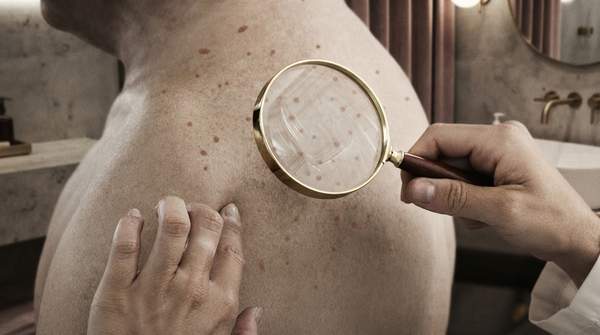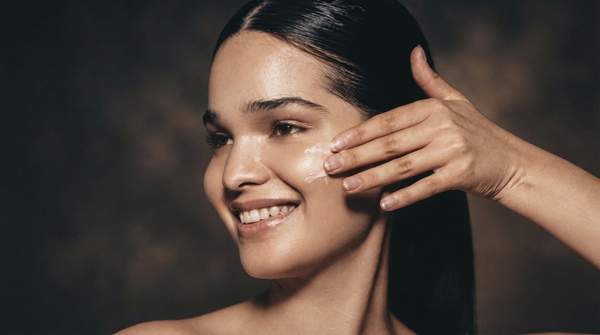
Your skin barrier is the outermost layer of your skin, and when it fails, it tells you plainly: dryness, flakiness, redness, and new sensitivity to products you once tolerated. The good news is that a compromised barrier can usually be restored with a targeted approach—gentler cleansing, consistent moisturization, and ingredients that replenish the lipids your skin is actually made of. This guide explains how the barrier works, what damages it, and how to match what you're seeing in the mirror to the right repair strategy.
The Vital Functions of a Healthy Skin Barrier
The skin barrier is the outermost layer of the epidermis, known as the stratum corneum. Its job is twofold: it holds moisture in and keeps harmful things out. Everyday Health's guide to the skin barrier describes its core functions as retaining moisture while preventing pathogens and chemicals from entering the body, and notes that maintaining its integrity protects skin against moisture loss, environmental irritants, and damaging UV rays.
Dermatologists often explain the stratum corneum with a "bricks and mortar" model. The bricks are corneocytes—dead skin cells filled with keratin and natural moisturizing factors. The mortar is the intercellular lipid matrix that surrounds them, and it is composed primarily of ceramides, cholesterol, and free fatty acids. This lipid mortar is what makes the wall watertight. When the lipids are depleted or disorganized, moisture escapes and irritants enter, no matter how intact the individual cells are.
This structure explains why repair is not just about adding water to the skin. A clinical review of skin barrier physiology published in the PMC library emphasizes that effective moisturizers work on multiple fronts: humectants draw water, occlusive agents seal the surface, emollients assimilate into the stratum corneum, and physiological lipids—or ingredients that augment the skin's own lipid synthesis—address the structural deficit itself. In other words, hydration and structure are separate problems, and a healthy barrier needs both.
Recognizing the Signs of a Compromised Skin Barrier
Barrier damage announces itself through observable changes. Healthline's overview of skin barrier function lists dry, scaly skin, itchiness, rough or discolored patches, acne, and sensitive or inflamed areas among the symptoms that appear when the barrier is not functioning properly. It also notes that a weakened barrier can leave you more prone to bacterial, viral, or fungal skin infections.
Everyday Health frames the same signals more concisely: a compromised barrier can cause redness, dryness, and flakiness, and may allow pathogens, irritants, and allergens to seep in. That second part is the key to understanding your symptoms. Redness and irritation are not just cosmetic complaints—they are evidence that substances that should have been kept out are getting in, and the skin is responding with inflammation.
One especially useful diagnostic cue is how your skin feels immediately after cleansing. Tightness after washing signals that the cleanser has stripped away lipids and moisture faster than they can be replaced. A PubMed-indexed review of barrier repair adds that regular moisturization may strengthen the immunologic skin barrier by reducing permeability and subsequent allergen penetration and sensitization—meaning that the symptoms you see today can compound over time if the underlying permeability problem is not addressed.
Common Habits and Environmental Factors That Damage Your Skin Barrier
Most barrier damage is self-inflicted, slowly and unintentionally. The PMC clinical review identifies the classic culprits: frequent hand washing and overwashing, repeated exposure to skin irritants, use of poorly formulated skincare products including harsh skin cleansers, and excessively hot showering. Critically, it notes that the skin's own self-repair mechanisms can keep up with occasional insults—but repeated exposure to triggers, especially when frequent and of high magnitude, can override that self-repair capacity.
Your routine deserves particular scrutiny. In Everyday Health's ingredient guidance, dermatologist-recommended advice warns that abrasive scrubs strip the skin's outer layer of the oil it needs to stay moisturized, and that basic bar or liquid soaps designed for the hands and body are too harsh for the thinner skin of the face.
Damage also comes from beyond the bathroom sink. Writing in Dermatology Times, dermatologists Zoe Diana Draelos and Cheri Frey point out that lifestyle habits—including inadequate sleep, poor skincare routines, and psychological stress—play a significant role, and that many people unknowingly compromise their skin by using harsh products or following misguided skincare trends. They use the term "exposome" to describe the total impact of all the oxidative and environmental challenges skin encounters over time, from UV exposure to pollution to stress. The practical takeaway: if you are treating your barrier but not removing the cause, you are working against yourself.
Skin Barrier Repair Decision Framework
Use the table below to translate what you observe on your skin into a targeted response. Each row connects a symptom cluster to the underlying barrier problem and the ingredient classes and practices that address it, drawing on the dermatological sources above.
| Sign of damage | What it indicates | Targeted repair strategy and ingredient classes |
|---|---|---|
| Dryness, scaliness, flakiness | Impaired moisture retention and a depleted lipid matrix—the "mortar" is leaking. | Use moisturizers containing physiological lipids (ceramides, cholesterol, fatty acids) to rebuild the lipid matrix, plus humectants to draw water into the epidermis and occlusives to seal it in. |
| Redness, irritation, increased sensitivity | The barrier is allowing irritants and allergens to penetrate, triggering inflammation. | Remove the inciting cause first: switch from harsh cleansers and abrasive scrubs to gentle products, simplify the routine, and moisturize consistently to reduce permeability and allergen penetration. |
| Tightness after cleansing, rough patches | Immediate moisture and lipid loss from cleansing; disrupted surface texture. | Switch to a mild cleanser suited to facial skin, avoid overwashing and very hot water, and moisturize generously and consistently with barrier-restoring ingredients. |
The reasoning behind this framework is that different symptoms point to different functional failures. Flaking reflects a structural lipid deficit, so it calls for lipid-replenishing ingredients. Irritation reflects excess permeability, so it calls for removing the trigger and reducing how much crosses the barrier. Tightness reflects acute stripping, so it calls for changing the cleansing step itself. The PMC review supports combining approaches: formulations that incorporate humectants, occlusives, emollients, and physiological lipids—or ingredients that augment the skin's own lipid synthesis—are designed to target the specific stratum corneum abnormalities behind dry, xerotic skin.
Two qualifications matter here. This framework addresses general barrier dysfunction, not diagnosed conditions such as atopic dermatitis or psoriasis, which warrant a dermatologist's care. And it deliberately names ingredient classes rather than commercial products, because formulation quality and concentration determine whether any product delivers what its label promises.
Empowering Your Skin Barrier Health
By understanding the "bricks and mortar" structure of your skin barrier, recognizing signs of damage, and adopting targeted repair strategies, you can make informed skincare choices to restore and maintain its integrity. The sequence matters: first remove the damaging habit, then support the barrier with the right ingredient classes, and give the skin's own self-repair capacity room to work.
How will you know it is working? Watch for reduced dryness, redness, and sensitivity; improved skin texture and resilience; and skin that feels comfortable and hydrated after cleansing rather than tight. That post-cleansing sensation is your most convenient daily checkpoint—the moment tightness disappears and comfort replaces it, your barrier is rebuilding. If symptoms persist despite gentle care and consistent moisturization, that is the point to bring a dermatologist into the decision.
Sources
- What Is the Skin Barrier? Function, Signs of Damage, and How to Care for Yours — EverydayHealth.com
- Skin 101: Understanding the Fundamentals of Skin Barrier Physiology—Why is This Important for Clinicians? - PMC
- Skin Barrier Function and How to Repair and Care for It — Healthline
- PUBMED
- Components of the Skin Barrier — Dermatologytimes