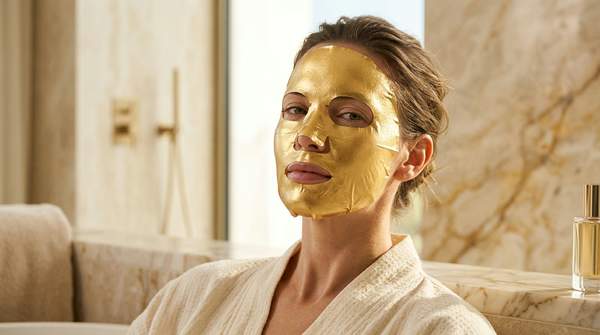
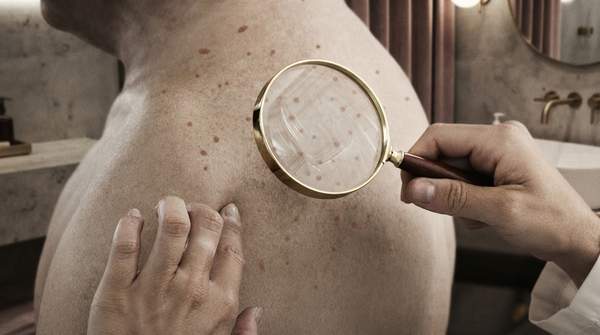
Spicule skincare, often referred to as "liquid microneedling," utilizes microscopic, needle-like structures derived from sea sponges to enhance skin health. This innovative approach aims to deliver active ingredients more effectively into the skin's superficial layers, offering benefits such as increased dermal density and improved appearance of periocular wrinkles. While it shares some aesthetic goals with traditional microneedling, spicule skincare operates through a distinct mechanism, providing a gentler alternative for skin rejuvenation that is gaining traction in the beauty industry.
Introduction to Spicule Skincare
Spicules are naturally occurring, microscopic, needle-like structures sourced from hydrolyzed sea sponges. These tiny components are carefully incorporated into various skincare formulations, such as creams and serums, to create a unique delivery system. The fundamental concept behind spicule skincare is to leverage these natural micro-structures to interact with the skin's surface, thereby facilitating the penetration of beneficial active ingredients. This method is increasingly recognized for its potential to improve overall skin texture and radiance by enhancing the efficacy of applied products.
Mechanism of Action: How Spicules Work
When spicule-infused products are applied to the skin, the microscopic spicules create numerous minute channels within the stratum corneum, which is the outermost protective layer of the epidermis. This action is crucial because the stratum corneum typically acts as a barrier, limiting the absorption of many topical skincare ingredients. By forming these micro-channels, spicules allow active ingredients, such as growth factors, to penetrate more effectively into the skin's superficial layers.
Aesthetic doctor and skin expert Dr. Christine Hall explains that spicules induce micro-stimulation in these superficial epidermal layers without causing true dermal injury. This distinguishes their action from more invasive procedures that intentionally create deeper wounds. This gentle micro-stimulation is believed to support the skin's natural renewal processes and significantly enhance the absorption of various skincare actives, leading to improved skin conditions.
Evidence-Backed Benefits: Dermal Density and Wrinkles
Clinical research has explored the specific benefits of spicule skincare, particularly when combined with active ingredients like epidermal growth factor (EGF). A randomized and controlled face-split trial, published in PMC, involved 20 healthy volunteers and investigated the effects of micro-spicules containing EGF (MS-EGF) in a cream formulation. The study found that the MS-EGF group demonstrated a significant increase in dermal density ratio at both 4 and 8 weeks after treatment, a statistically significant improvement compared to using EGF alone.
The trial also reported similar positive results for mean dermal depth, with the MS-EGF group showing a significant increase after 8 weeks compared to the EGF-alone group. Beyond these structural improvements, the study observed clinical improvements in periocular wrinkles in both the MS-EGF and EGF-alone groups after 8 weeks. However, the anti-wrinkle improvement with MS-EGF was notably more significant and superior to the EGF-alone treatment. Researchers attributed this enhanced efficacy to the superior skin penetration ability facilitated by the micro-spicules, allowing EGF to reach its target more effectively.
While these findings are promising, the authors of the study noted that the small sample size and the lack of control for external factors like lifestyle or other skincare habits mean the results should be interpreted with caution. Nevertheless, the study concluded that MS-EGF offers a favorable clinical benefit for treating periocular wrinkles, coupled with good tolerability and high satisfaction among volunteers.
Spicule Skincare vs. Traditional Microneedling: A Comparative Overview
Spicule skincare and traditional microneedling both aim to improve skin appearance and texture, but they differ significantly in their mechanisms, penetration levels, and the nature of their impact on the dermis. Understanding these distinctions is crucial for making informed decisions about which approach might be suitable for specific skin concerns.
| Dimension | Spicule Skincare | Traditional Microneedling |
|---|---|---|
| Mechanism of Action | Spicules create micro-channels in the stratum corneum, facilitating the penetration of active ingredients. This action is described as 'liquid microneedling' derived from sea sponges. | Involves fine needles creating controlled micro-injuries in the skin to stimulate a wound healing response and collagen production. |
| Penetration Depth | Spicules remain within the superficial layers of the epidermis, creating micro-stimulation without deep penetration. They do not penetrate deeply into the skin. | Penetrates deeper into the skin, reaching the dermis, allowing for more significant dermal impact. |
| Dermal Injury | Creates micro-stimulation in superficial layers without true dermal injury. Temporary erythema and mild pain may occur with strong rubbing. | Involves actual, controlled dermal injury to stimulate a healing response. |
| Targeted Benefits | Micro-spicules combined with EGF significantly increase dermal density and depth, and improve periocular wrinkles. These benefits were observed in a randomized controlled trial over 8 weeks. | Aims to improve texture, reduce scars, fine lines, and promote overall skin rejuvenation through collagen induction. |
| Expected Results | Users often notice visible improvements in radiance, tone, and skin texture, but these changes are usually modest compared to medical procedures. Spicules are supportive tools, not transformative procedures like lasers or in-clinic microneedling. | Can lead to more pronounced and transformative results due to deeper dermal impact and collagen remodeling. |
| Application Method | Typically applied topically as part of a cream or serum, often for at-home use. | Performed in-clinic by professionals using specialized devices, or with at-home rollers/pens that vary in needle depth. |
Practical Use and Important Considerations
For individuals considering spicule-infused products, practical advice can help ensure safe and effective use. Spicules can offer a helpful boost for resilient skin, but for sensitive or inflamed skin, the risks may outweigh the benefits. It is advisable to introduce spicule-infused products gradually into a skincare routine, perhaps starting with less frequent application, and always perform a patch test first to assess individual skin tolerance. Supporting the skin barrier with soothing moisturizers is also recommended to mitigate potential irritation.
After using spicule products, consistent application of sunscreen is essential because the skin can become more vulnerable to UV radiation following any form of exfoliation or micro-stimulation. Calming gels or barrier creams can also help alleviate any lingering tingling or redness that might occur. It is important to maintain realistic expectations; spicules are considered more than a typical serum but not a medical treatment. They are supportive tools that can improve radiance, tone, and skin texture, but they are not a replacement for procedures that remodel tissue or lift sagging skin, nor do they achieve the same transformative results as in-clinic microneedling or laser treatments.
Limitations and Future Outlook
Current research on spicule skincare, while promising, has limitations that warrant consideration. The Korean study on MS-EGF, for instance, involved a relatively small number of participants (20 healthy volunteers) and did not control for external factors like lifestyle or other concurrent skincare habits. This highlights the need for additional, larger-scale studies to further validate and expand upon the observed benefits across diverse populations and conditions.
Furthermore, some anti-wrinkle effects observed with other micro-needle patches might be primarily due to ingredients like hyaluronic acid rather than epidermal growth factor, especially if the EGF is not effectively delivered. This suggests the importance of the active ingredient's effective delivery mechanism in conjunction with spicules. Spicule skincare represents an evolving area in beauty, mimicking some procedural benefits while remaining accessible for at-home use. However, it is crucial to understand that spicules are not a substitute for medical procedures designed for significant tissue remodeling or lifting sagging skin. For personalized advice on whether spicules, derma roller facials, or in-clinic treatments are suitable for individual skin concerns, consulting a professional is recommended.
Making an Informed Choice: When to Consider Spicule Skincare
Consider incorporating spicule-infused products into a skincare routine for targeted improvements in dermal density, depth, and periocular wrinkles, especially if seeking a gentler alternative to traditional microneedling. Monitor for visible improvements in skin radiance, tone, and texture, alongside any temporary mild redness or discomfort during initial use.