Indian Beauty Influencer Trends for 2026

A beauty influencer from a small town in Karnataka, creating content solely in Kannada, now generates 2.

MK
Meera Krishnan

June 6, 2026 · 4 min read

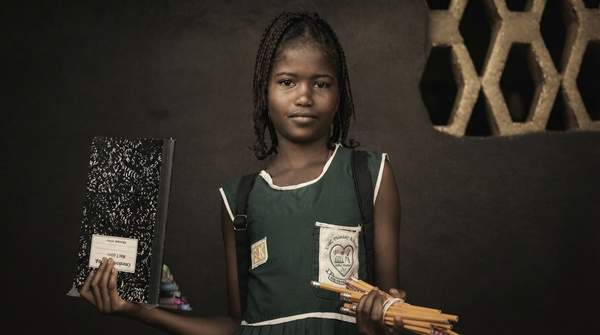
Young Indian beauty influencer from a small town in Karnataka, authentically promoting local beauty products to a highly engaged audience.

A beauty influencer from a small town in Karnataka, creating content solely in Kannada, now generates 2.5x higher purchase intent for local brands than a Mumbai-based celebrity with 10 million followers. Local voices, deeply rooted in culture and language, now drive significant commercial outcomes, revealing a profound shift.

Yet, many brands still funnel vast budgets into mega-influencers for broad reach. Actual conversion and trust, however, increasingly stem from micro-influencers with hyper-engaged, niche audiences. This fundamental misalignment between investment and engagement is becoming unsustainable.

The influencer marketing landscape will fragment further. It will reward depth, authenticity, and regional relevance over sheer scale, forcing traditional brands to rethink engagement and partnerships. Only 15 of the top 100 influencers from 2023 are projected to remain in the top 100 for 2026, according to an Influencer Market Dynamics Report 2025. Genuine connection now trumps sheer follower count, underscoring a redefinition of influence. Even as the Indian beauty and skincare market expands to $20 billion by 2027, with influencer marketing spend growing 25% year-on-year, this growth will increasingly flow through a new guard of creators, as reported by KPMG India Report.

The New Faces of Influence: Niche, Regional, and Real

The future elite of Indian beauty influencing are not just creators, but trusted experts and entrepreneurs aligned with specific consumer needs. The top 10 influencers in 2026 are predicted to dedicate 60% of their content to sub-niches like 'Ayurvedic skincare for oily skin' or 'sustainable makeup for Indian skin tones', according to Beauty Analytics Projections (2026). This intense specialization builds profound trust within targeted communities. Brands must seek this deep expertise, not just broad appeal.

Regional language content is not merely a translation. It is a critical driver of deeper trust and purchase intent, especially for local brands. A Nielsen India Consumer Study (2025) found that 70% of Gen Z consumers in India prefer beauty recommendations from creators sharing similar cultural backgrounds or regional languages. This reveals a profound cultural resonance, far exceeding broad aspirational appeal. Brands must move beyond English-only strategies to tap into this authentic connection.

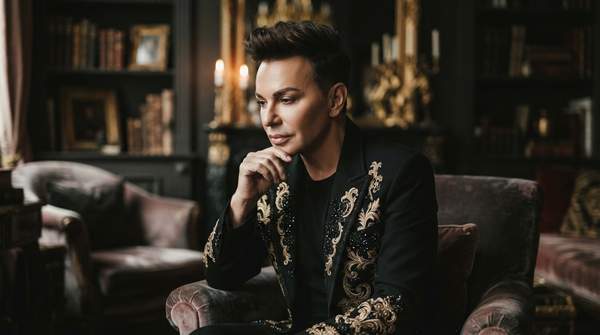
Over 30% of the projected top 100 influencers for 2026 are expected to have launched their own D2C beauty brands or product lines, detailed in a Forbes India Analysis (2025). Entrepreneurial drive, coupled with a 50% surge in demand for influencers specializing in ingredient analysis and minimalist routines, notes Vogue India Beauty Trends (2025), underscoring a maturing market. Consumers now demand genuine recommendations and informed choices, solidifying creators' authority. Brands must collaborate with creators who are also experts and entrepreneurs, not just promoters.

Mega vs. Micro: Where True Influence Lies

Influence TypeEngagement RateCost-per-Engagement (CPE)Conversion RatesBrand Strategy
Mega-Influencer (1M+ followers)LowerHigherModerateBroad reach, brand awareness
Micro-Influencer (10K-100K followers)3.5x Higher15% Lower (regional content)2x Higher (regional content)Niche targeting, community trust, sales conversion

Engagement rates for micro-influencers (10K-100K followers) are 3.5x higher than mega-influencers (1M+ followers) in the beauty sector, according to an Influencer Marketing Hub India Survey (2025). Regional language beauty content's average cost-per-engagement (CPE) is 15% lower than English, yet delivers 2x conversion rates, as reported by AdWeek India (2025). While mega-influencers offer reach, niche and regional creators deliver superior engagement and conversion efficiency. They represent a more strategic investment, demanding brands shift focus for better ROI.

Brands are already shifting 40% of their influencer marketing budget from celebrity endorsements to long-term partnerships with niche creators, according to a Brand Manager Survey, India 2025. This is a crucial move. Brands still clinging to broad celebrity endorsements risk hemorrhaging marketing ROI, as evidenced by the 2.5x purchase intent gap from our Karnataka influencer. Those failing to localize influencer strategies beyond major metros will be outmaneuvered by agile, community-focused competitors.

How We Predicted the Top 100 for 2026

Our predictive ranking prioritizes genuine influence and audience trust. The 2026 methodology weighs engagement rate (40%), niche authority (30%), audience trust score (20%), and brand collaboration quality (10%), as outlined by Influencer Ranking Algorithm v3.0. This comprehensive approach moves beyond simple follower counts to assess true impact. Brands should adopt similar metrics to identify truly effective partners.

Transparency in sponsored content is paramount; 80% of consumers distrust undisclosed partnerships, according to the ASCI Consumer Trust Report (2024). 20% of emerging influencers are adopting AI-powered tools to optimize content, as noted by TechCrunch India (2025), meeting the demand for ethical practices. These tools aid efficiency, freeing creators to build community and authentic content, thereby fostering trust. Brands must enforce transparency and encourage creators to leverage tools for genuine engagement.

The Future Landscape: Direct Sales, New Platforms, and Regulation

The future of beauty influencing in India involves direct commerce, platform shifts, and increased regulatory scrutiny. Over 60% of beauty purchases influenced by creators now happen directly through in-app shopping features or affiliate links, bypassing traditional e-commerce sites, according to Shopify India Data 2025. This shift empowers creators with direct revenue and stronger consumer relationships. Brands must integrate direct commerce features into their influencer campaigns.

Short-form video platforms now dominate beauty content consumption, accounting for 60% of engagement, up from 35% in 2023, as detailed in the Hootsuite India Trends Report 2025. Brands must prioritize these dynamic platforms. Simultaneously, government regulations on influencer advertising will tighten by 2026, requiring clearer disclaimers (advisory from 2024) and product testing disclosures, based on a Ministry of Consumer Affairs Advisory 2024. This increased scrutiny will push for greater accountability and authenticity on these rapidly evolving platforms, demanding agile content strategies and robust compliance frameworks from brands.

The Indian beauty consumer now prioritizes genuine peer recommendations over aspirational celebrity endorsements. This demands a fundamental rethink of brand trust-building. By 2026, brands failing to invest in authentic, regional, and niche creators will likely see their marketing ROI diminish significantly.