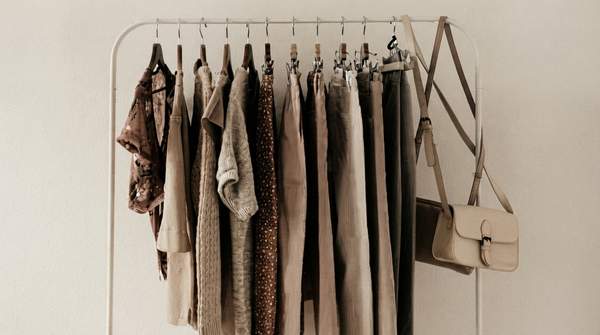
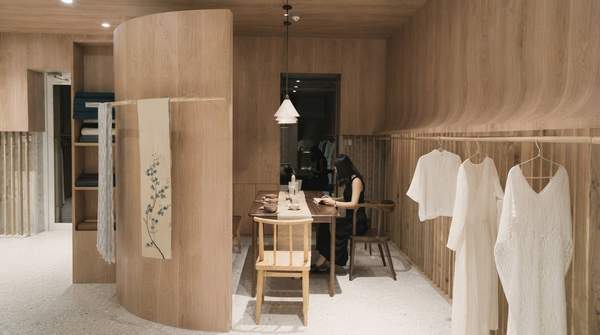
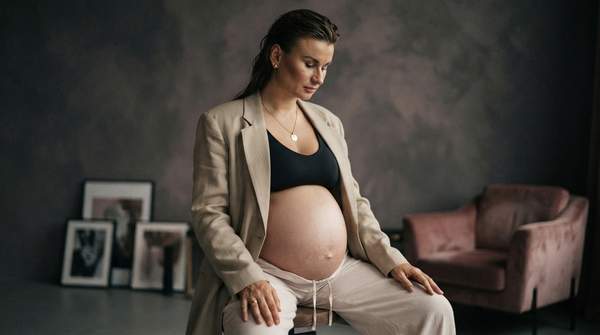
Imagine curating an entire wardrobe with just three tops, three bottoms, and three pairs of shoes, a method proven to simplify daily dressing and reduce fashion's environmental footprint. The minimalist '333 method' shows how a carefully chosen selection can create numerous outfits, minimizing decision fatigue each morning. By focusing on essential pieces, individuals can significantly reduce their overall clothing consumption, contributing to a more sustainable lifestyle in 2026.
People often believe a capsule wardrobe means sacrificing personal style and variety, but it actually empowers more intentional fashion choices and greater self-expression. This tension often deters individuals from exploring the benefits of a curated closet, fearing it will lead to a bland or restrictive aesthetic.
As environmental consciousness grows and consumers seek practical ways to simplify their lives, the adoption of flexible capsule wardrobe principles appears likely to become a mainstream approach to personal style.
The '333 method' suggests curating a capsule wardrobe with three tops, three bottoms, and three pairs of shoes, according to oliver-charles. The highly restrictive '333 method' shows how few items are truly needed to create a functional and stylish wardrobe, challenging conventional notions of abundance in fashion. The discipline involved fosters a deeper understanding of one's personal style and what truly feels good to wear, moving beyond impulse purchases.
Beyond Minimalism: The True Benefits of a Curated Closet
Capsule wardrobes cut fashion's impact by reducing waste and consumption, extend the life of clothes, save time, reduce clutter, and can build self-confidence, according to oliver-charles. The value of a capsule wardrobe extends far beyond mere clothing reduction, offering holistic improvements to lifestyle and environmental responsibility. Embracing this approach helps individuals define and express their unique style, rather than just accumulating clothes.
The fashion industry has an untapped opportunity to market mindful consumption as a pathway to enhanced personal identity. Given that capsule wardrobes build self-confidence alongside reducing waste and saving time, this strategic shift moves beyond simple environmental virtues to highlight profound personal benefits.
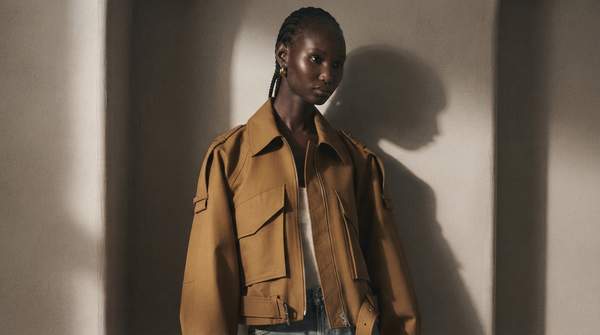
Practical Paths to Your Perfect Capsule
The '5-4-3-2-1 rule' suggests choosing 15 items for a capsule wardrobe, such as five shirts, four bottoms, three dresses or suits, two pairs of shoes, and one jacket, according to oliver-charles. This method offers a more expansive starting point compared to the '333 method,' illustrating the flexibility inherent in building a capsule wardrobe. These structured methods offer clear starting points for anyone feeling overwhelmed by the idea of curating a limited wardrobe, proving it is an achievable goal for various lifestyles.
The existence of both the '333 method' and the '5-4-3-2-1 rule' reveals that the true power of a capsule wardrobe lies not in rigid adherence to a specific item count. Instead, it emphasizes the discipline of intentional selection, a principle that could revolutionize consumer buying habits if properly communicated. This adaptability allows individuals to tailor their wardrobe to their specific needs and preferences without feeling constrained.
Common Misconceptions and How to Avoid Them
Many believe a capsule wardrobe means sacrificing vibrant personal expression for bland basics. However, a capsule wardrobe does not necessarily strip back to essential basics, and can include colors, patterns, and statement items, according to oliver-charles. Understanding common pitfalls helps new adopters navigate the process more effectively, preventing frustration and ensuring long-term success.
The structured limitation of a capsule wardrobe actually fosters greater self-confidence by forcing individuals to define and express their unique style. This challenges the common misconception that it equates to restrictive minimalism, instead promoting a thoughtful approach to fashion that celebrates individuality.
Your Capsule Wardrobe Questions Answered
How many items should be in a capsule wardrobe?
The number of items in a capsule wardrobe is highly flexible, not rigid. Methods like the '333 method' suggest nine items, while the '5-4-3-2-1 rule' proposes 15 items, including dresses and jackets. The key lies in intentional selection and adaptability to individual needs, rather than a fixed number.
What are the benefits of a capsule wardrobe?
Beyond reducing waste and saving time, a capsule wardrobe offers significant personal benefits. It fosters a deeper sense of personal identity and self-confidence by encouraging deliberate style choices. This approach transforms fashion into a pathway for enhanced self-expression, rather than just consumption.
How does a capsule wardrobe differ from a minimalist wardrobe?
A capsule wardrobe differs from a minimalist wardrobe in that it does not necessarily strip back to essential basics, and can include colors, patterns, and statement items, according to oliver-charles. While both promote intentionality, a capsule wardrobe focuses on versatility and curated expression, not just numerical reduction.
The Enduring Appeal of Intentional Dressing
Ultimately, a capsule wardrobe is not about having less, but about having more of what truly serves your style, values, and lifestyle. The environmental benefits extend beyond just reducing consumption; by encouraging thoughtful selection and extending garment life, it directly counters fast fashion's core model of disposability, shifting focus from quantity to longevity and quality. This commitment to quality over quantity aligns with a broader movement towards sustainability in 2026.
Companies marketing sustainable fashion should pivot from promoting bland minimalism to showcasing how curated collections enable vibrant, individualistic style. Based on the distinction that a capsule wardrobe can include colors, patterns, and statement items, this shift helps consumers embrace mindful consumption without sacrificing personal flair. By Q3 2026, major fashion retailers could see a 15% increase in demand for durable, versatile garments as consumers prioritize longevity and personal expression over fleeting trends, according to projections based on evolving buying habits at Style and Beauty News.