No single fashion show format wins on every dimension. The traditional runway delivers spectacle and media buzz but limits who can attend and carries a heavy environmental footprint. Intimate presentations let buyers and press examine garments up close at a fraction of the cost. Virtual shows reach a global audience instantly and cut travel emissions, but demand inventive digital storytelling to hold attention. The right choice depends entirely on what you want the show to achieve.
Introduction to Fashion Show Formats
Fashion shows began as commercial appointments: presenting new collections to media and buyers, as the fashion scholars Patricia SanMiguel, Ana Rus-Navas and Teresa Sádaba note in their 2023 study of the format. Today, they have evolved into something larger. Through the creative director, the show has become, in the words of that research, "a vital part of the orchestration of the garments as a cultural statement," communicating brand values as much as product.
That shift changed the menu of formats. Writing for Luxury Society, Anne-Sophie Scharff observed that traditional shows "have been under scrutiny for a number of years now" in an increasingly digital environment, pushing brands to reinvent how they present collections. Three formats now dominate: the runway spectacle, the intimate presentation, and the virtual or digital show.
Traditional Runway Shows: The Grand Spectacle
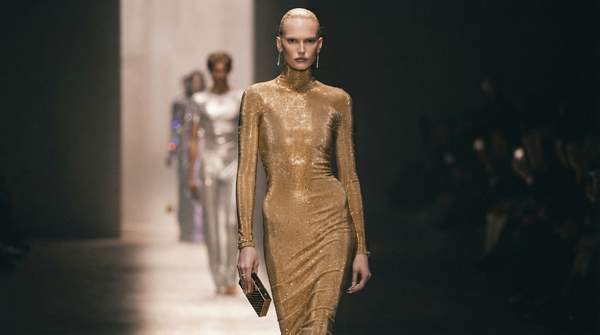
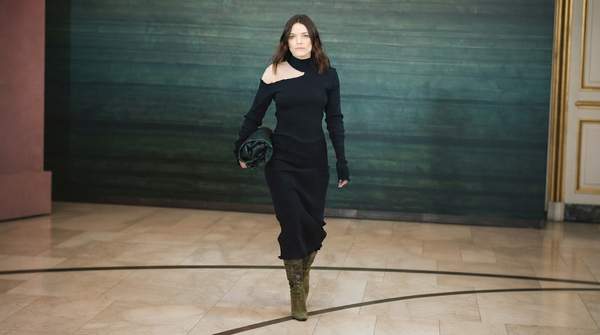
The runway is the format most people picture. Models walk a catwalk at a set venue, in front of an invited audience of press, buyers and industry figures. Its power lies in impact. The event creates a concentrated cultural moment, generating the buzz that a brand needs to stand out during fashion weeks in Paris, Milan, London and New York.
But the format has real constraints. Attendance is limited to those physically present, typically media and buyers, and access depends on invitation. Production costs are high, covering venue rental, models, lighting and staging. The physical event also carries a higher carbon footprint, driven by travel and set waste, according to a comparison by the Photogenics Media team.
There is a subtler trade-off too. The pace of a runway show prioritizes overall impression over intricate garment examination. Detail gets lost at walking speed.
Intimate Presentations: Craftsmanship and Connection
The presentation format flips the runway's logic. Instead of models strutting, they are stationed in curated environments, or the garments, shoes and accessories are displayed on shelves and in creative arrangements. Attendees move through the space and observe the clothing up close.
As the Glam Observer team explains, this slower, more contemplative experience allows a nuanced exploration of the designer's vision. Fashion professionals gain a detailed view of fabrics, features and silhouettes, and photographers can capture closer, more precise images of each look.
Who chooses this format? Accessories and shoe brands often opt for presentations to display products directly. Smaller brands choose them mainly for budget reasons: a 10-to-15-minute runway show can cost anywhere from $200,000 to over $1 million, per Glam Observer's reporting, while a presentation avoids much of that production burden.
Virtual and Digital Shows: Global Reach and Innovation
Virtual shows use streaming technology to broadcast the event in real time to anywhere in the world. The audience is effectively unlimited, and no invitations or travel are required. The Photogenics Media team describes this as a democratization of fashion, letting enthusiasts and professionals alike engage with new trends.
Costs are generally lower, with fewer logistical expenses, and the format is eco-friendlier thanks to minimal travel. The challenge is communication. Without a physical room, a brand must convey garment detail through video, 3D formats and careful content planning. SanMiguel, Rus-Navas and Sádaba document one maison that divided its show experience into pre-show, show and post-show phases across social networks, revealing details progressively.
Sustaining engagement takes work. A social media strategy guide from the e-commerce consultancy Storeis emphasizes extended storytelling after the event: video and carousel ads showcasing product details, backstage footage, and influencer content to keep the collection in the spotlight.
Comparative Framework: Fashion Show Formats
The table below contrasts the three formats across four strategic dimensions, drawing on the sources above. Use it to locate the trade-off that matters most for your objective before committing to a format.
| Dimension | Traditional Runway | Virtual/Digital Show | Presentation |
|---|---|---|---|
| Audience & accessibility | Limited to physical attendees, primarily media and buyers; invitation required | Unlimited, global reach via streaming; no travel or invitation needed | Small, invited groups able to view garments directly |
| Communication style & garment detail | Spectacle and buzz; fast pace makes detailed appreciation difficult | Digital engagement; detail conveyed through video, 3D and staged storytelling | Slow, contemplative; close inspection of fabrics, features and silhouettes |
| Cost & logistics | High production costs; reported range of $200,000 to over $1 million for a short show | Generally lower costs; easier to organize with flexible scheduling | Lower cost; favored by small brands and accessories makers |
| Environmental impact | Higher carbon footprint from travel and physical set waste | Lower footprint; minimal travel and physical waste | Smaller physical footprint than a full runway production |
Read across the rows and a pattern emerges: reach and spectacle sit with the runway, intimacy and detail with the presentation, and accessibility and sustainability with the virtual show. No format dominates all four dimensions, which is why the choice must start from the objective, not the format.
Choosing the Right Format for Your Brand Objectives
Start with one primary goal. If you need maximum media buzz and a cultural moment, the runway's spectacle is built for it, provided the budget and environmental footprint are acceptable. If your priority is showing craftsmanship, intricate fabrics or accessories that reward close inspection, a presentation communicates detail far better than a catwalk pace ever can.
If global reach and sustainability lead your strategy, the virtual format eliminates geographical barriers and travel emissions. Just budget for the storytelling it demands: as Scharff wrote during the season of digital shows, brands face "the need to create 'buzz' to really stand out from the crowd" online, where competition for attention is intense.
Hybrid thinking is also legitimate. The pre-show, show and post-show structure documented by SanMiguel and her co-authors shows how a physical event can be extended digitally, while Storeis's guidance on post-event content keeps engagement alive after the lights go down.
Strategic Selection: Aligning Format with Brand Goals
Brands should strategically select a fashion show format by aligning its inherent characteristics with primary objectives such as maximizing global reach, emphasizing craftsmanship, controlling costs, or prioritizing sustainability. The decision is not about which format is best in the abstract, but which trade-off your brand can live with.
The measurable indicator is concrete: the brand's chosen format successfully generates the desired audience engagement, media coverage, or detailed product appreciation, as measured by post-event analytics and industry feedback. Define that outcome before the show, and the format choice will largely make itself.
Sources
- Fashion Shows: The Greatest Show on Earth — SpringerLink
- Luxury VS Fast Fashion: Live Battle Or Blurred Lines? — Luxury Society
- Virtual Runway Show: How It Is Changing Fashion — Photogenics Media
- Fashion Shows VS Presentations - GLAM OBSERVER
- Social media communication strategy for fashion show — Store.is