Every colored garment in your wardrobe was dyed with a specific dye class chosen for its fiber, and each of those choices carries a performance and environmental trade-off. Reactive dyes bond chemically to cotton; disperse dyes are the only practical route to polyester; natural dyes sound greener but bring their own complications. The common thread across nearly all of them is water: as much as 200 tonnes of water are used per tonne of fabric in the textile industry, and most of that water returns to nature as toxic waste carrying residual dyes and hazardous chemicals, as Fashion Revolution reports. This guide walks you through the major dye categories, the fabrics they suit, and the pollution story behind them.
Major Categories of Textile Dyes and Their Applications
Dyes are classified by how they attach to fibers, and that chemistry dictates which fabric they can color. A review of natural and synthetic dyes published in the PMC research archive notes that the textile sector is the largest consumer of dyes, and that common classes include direct, reactive, disperse, acid and basic dyes. Direct dyes, for example, are applied straight onto natural fibers such as cotton, rayon and wool without a mordant — a helper substance that fixes color to fiber.
Reactive dyes form a covalent bond with cellulosic fibers, which is why they dominate cotton, viscose and linen dyeing. Disperse dyes work on the opposite principle: their small molecular size lets them penetrate dense synthetic fibers, making them essential for polyester, nylon and acetate. Industry supplier Skychem Group summarizes the pairing plainly: polyester needs disperse dyes, while cotton pairs best with reactive or direct dyes. Acid dyes suit protein fibers like wool and silk, and vat dyes deliver exceptional durability on cotton — denim being the classic case.
The Environmental Burden of Textile Dyeing
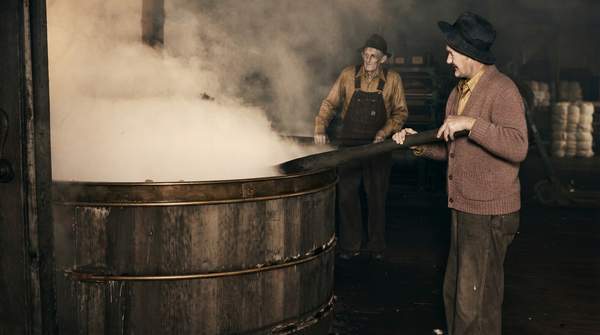
The performance benefits of synthetic dyes — vivid, long-lasting color — come bundled with a serious pollution problem. Fashion Revolution describes rivers near garment factories running with "thick, ink-like water," a "toxic soup of chemicals discarded from the fashion industry's synthetic dye processes." The scale is enormous: up to 200 tonnes of water per tonne of fabric, most of it discharged as waste containing residual dyes and hazardous chemicals.
Sustainability consultancy Cikis adds that dyeing wastewater carries not just dyes but microfibres and mordants, and that disposal is expensive and complicated — which is why companies often struggle to manage it. The consequences reach aquatic ecosystems directly. Seaside Sustainability, citing CNN Style, reports that textile dyeing is the second-largest contributor to water pollution worldwide, with the fashion industry responsible for roughly 20% of global water pollution; chemicals in dye runoff can disrupt aquatic life and kill fish and other species.
Natural Dyes: A Nuanced Environmental Perspective
It is tempting to conclude that swapping synthetic dyes for plant-based ones solves the problem. Cikis pushes back on that assumption: natural dyes can be an effective strategy for some companies, but for others they are "complex and underperforming." Because natural dyes come from plants, roots, fruits, insects and algae, cultivating sufficient quantities for industrial scale demands finances, space and manpower.
Mordants complicate the picture further. The PMC review notes that natural mordants from plant sources are favored by artisans precisely because they are biodegradable and lower-impact than synthetic alternatives — implying that conventional mordants are neither. Cikis is blunter, describing mordants as "extremely polluting" substances found in dyeing wastewater. So a natural dye applied with a harsh mordant at industrial volume is not automatically the greener option; the full process determines the footprint.
Comparative Overview of Key Textile Dyes
The table below synthesizes the evidence into a single framework. Read across each row to see why a dye is chosen for a particular fabric, what it delivers in performance, and the environmental concern that accompanies it. Note that the environmental concerns for reactive and disperse dyes are generalized from the overall textile dyeing process rather than being unique to those dye classes.
| Dye Type | Common Fabrics | Key Performance Trait | Primary Environmental Concern |
|---|---|---|---|
| Natural dyes | Natural fibers (with mordants to fix color) | Enhanced color absorption and colorfastness when mordants are used | Scalability of cultivation for industrial volume; mordants in wastewater can be extremely polluting |
| Reactive dyes | Cotton, viscose, linen (cellulosic fibers) | Vibrant colors and excellent wash fastness via covalent bonding | Water-intensive dyeing and discharge of residual dye and chemical effluent into waterways |
| Disperse dyes | Polyester, nylon, acetate (hydrophobic synthetics) | High lightfastness; small molecules penetrate the fiber | Part of the synthetic dyeing process whose effluent pollutes water systems |
The pattern that emerges is a genuine trade-off, not a ranking. Reactive dyes give cotton its brilliant, washable color but rely on the water-heavy dyeing process that generates the toxic effluent Fashion Revolution documents. Disperse dyes are simply indispensable for polyester — no other class colors it well — yet they sit inside the same polluting wastewater stream. Natural dyes sidestep petrochemical synthesis but stumble on scale and mordant chemistry. No row in this table is free of environmental cost; each just pays it differently.
Towards More Sustainable Textile Choices
The practical decision for both consumers and industry stakeholders is to move beyond the simplistic "natural equals good" assumption and consider the full life cycle of each dye type: water usage, chemical effluent, mordant chemistry and scalability all matter together. A garment dyed with plant colorants using a polluting mordant may not outperform a reactive-dyed cotton item made at a facility that treats its wastewater.
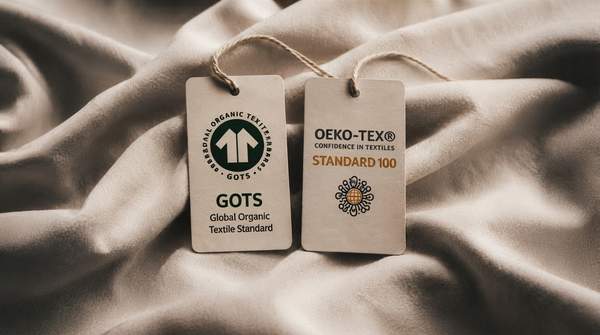
For readers, this means asking sharper questions rather than accepting labels at face value. The measurable indicator to watch is increased transparency from brands about their dyeing processes and the specific dye types used, alongside third-party certifications for sustainable dyeing practices. The industry has already moved partway there: Cikis notes that following Greenpeace's Detox campaign, six brands planned a collective response through the ZDHC program in 2011. When a brand can tell you which dye class colored your garment and how the effluent was handled, that specificity — not the word "natural" — is the signal worth looking for.
Sources
- The true cost of colour: The impact of textile dyes on water systems : Fashion Revolution — Fashionrevolution
- A review of history, properties, classification, applications and challenges of natural and synthetic dyes - PMC
- 9 Different Types of Dyes Used in Textile Industry - Skychem Group
- Fabric dyeing processes and their impact on the environment — CIKIS
- Clothing Dye Runoff and its Environmental Impact — Seaside