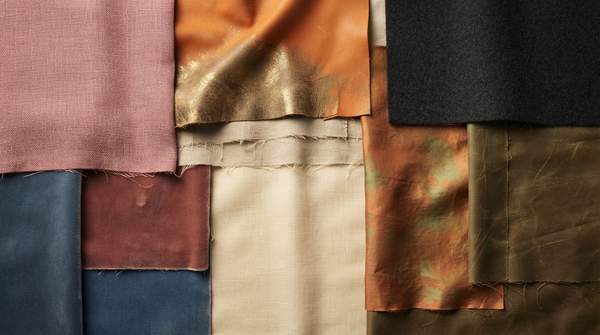
Fabric dyeing is a critical stage in textile production, yet it poses significant environmental challenges, primarily concerning resource consumption and waste generation. As the global textile industry seeks more sustainable practices, understanding the environmental footprints of different dyeing methods becomes essential. Natural dyes, derived from renewable sources, and low-impact synthetic dyes, engineered for reduced environmental harm, offer distinct profiles regarding water and energy use, as well as the types of waste they produce.
While natural dyes are often celebrated for their biodegradability and lower toxicity, their industrial application can be resource-intensive. Conversely, low-impact synthetic dyes aim to mitigate the severe environmental consequences traditionally associated with conventional synthetic dyes, which are known for generating substantial chemical waste and consuming vast amounts of water.
The Environmental Challenge of Fabric Dyeing
The global textile industry faces a serious environmental impact across its entire supply chain, contributing to significant greenhouse gas emissions, extensive land and water consumption, and widespread pollution of soil, air, and water. A substantial portion of this impact stems from dyeing processes, which are inherently wet and chemical-intensive. The industry's current linear system relies heavily on resources, leading to considerable negative effects on ecosystems and human populations.
Synthetic dyes, particularly azo dyes, are widely used but are associated with significant chemical waste and a high environmental footprint, especially in large-scale applications. The textile industry, which consumes approximately 80% of synthetic dyes produced, generates substantial amounts of dye-containing wastewater annually. This wastewater often contains toxic chemicals and heavy metals, which can severely damage aquatic ecosystems if discharged untreated.
Natural Dyes: Resource Consumption and Waste Profile
Natural dyes are colorants derived from renewable sources such as plants, animals, or minerals. Unlike synthetic dyes, they are organic and biodegradable, making them generally less harmful to the environment. Natural dyes are also considered less toxic and allergenic, offering a safer option for both producers and consumers, according to Global Textile Times.
However, the process of natural dyeing can be demanding in terms of resources. It often involves multiple steps, including extraction, mordanting (using substances to help the dye fix to the fabric), and extensive washing to remove unfixed dye and plant material. Dharma Trading Co. notes that these processes can be time and energy-consuming. While certain mordanting methods can reduce water usage by about a third, overall water consumption remains substantial. The energy consumption is linked to the duration and complexity of these multi-stage dyeing processes.
Regarding waste, natural dyes generally produce non-toxic waste, especially when mordants like alum are used responsibly. Their biodegradability is a key environmental advantage over many synthetic dyes, contributing to less environmental pollution. However, the specific mordants and auxiliaries used can influence the overall toxicity of the waste generated.