Layering clothing is a versatile technique that allows you to create stylish, functional outfits adaptable to various occasions and changing weather conditions. It involves combining multiple garments of different textures, weights, and silhouettes to add dimension, warmth, and visual interest to your look, according to Annabel Darling writing for Classic Six. Effective layering goes beyond simply piling on clothes; it requires an understanding of how each piece contributes to the overall aesthetic and comfort.
By mastering the principles of layering, you can transition seamlessly between temperatures, express your personal style, and maximize the utility of your wardrobe, as noted by Classic Six. This guide will help you understand the foundational three-layer system and apply key styling principles—proportions, textures, patterns, and colors—to create cohesive and intentional outfits.
The Foundational Three-Layer System
Layering is most effectively approached by thinking of an outfit in three distinct parts: the base, mid-layer, and outer layer, each serving a specific purpose, explains Macy's. When combined thoughtfully, these layers create a look that is both functional and fashionable.
-
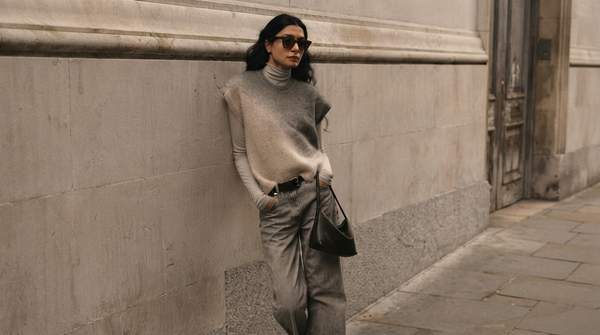
Base Layer: This is the first piece worn closest to your skin. Its primary purpose is comfort and to provide a smooth foundation for subsequent layers. Base layers should be lightweight and breathable to prevent discomfort and bulk, according to Macy's and Classic Six. Examples include fitted tees, tanks, or turtlenecks. A good base layer can also stand alone on milder days.
-
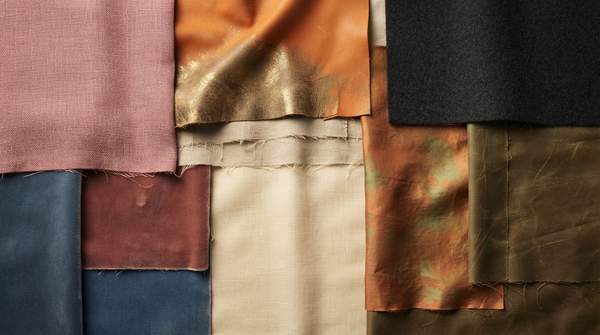
Mid-Layer: The mid-layer adds warmth and is a key opportunity to introduce texture and color to your outfit, as described by Macy's and Maya Deiss for Böhme. This layer bridges the base and outerwear, contributing to the outfit's cohesion and style. Sweaters, cardigans, vests, or lightweight hoodies are common mid-layer choices. It should be insulating and easily removable if temperatures rise.
-
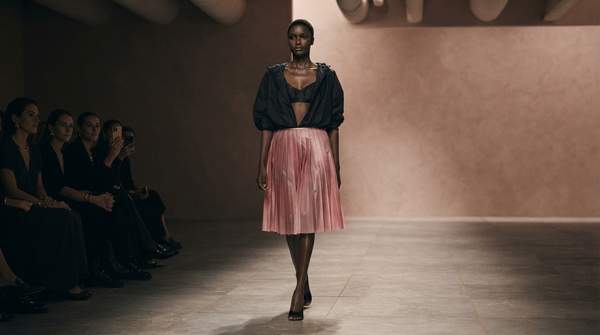
Outer Layer: The outer layer provides protection from the elements and completes the overall aesthetic of your outfit, according to Macy's and Böhme. This layer often serves as a statement piece, with bold textures or interesting silhouettes elevating the entire look. Coats, jackets, trench coats, blazers, or puffers add structure and polish. It should be substantial enough for protection but allow for easy removal to adjust to changing conditions.